What soft washing does well on the South Coast
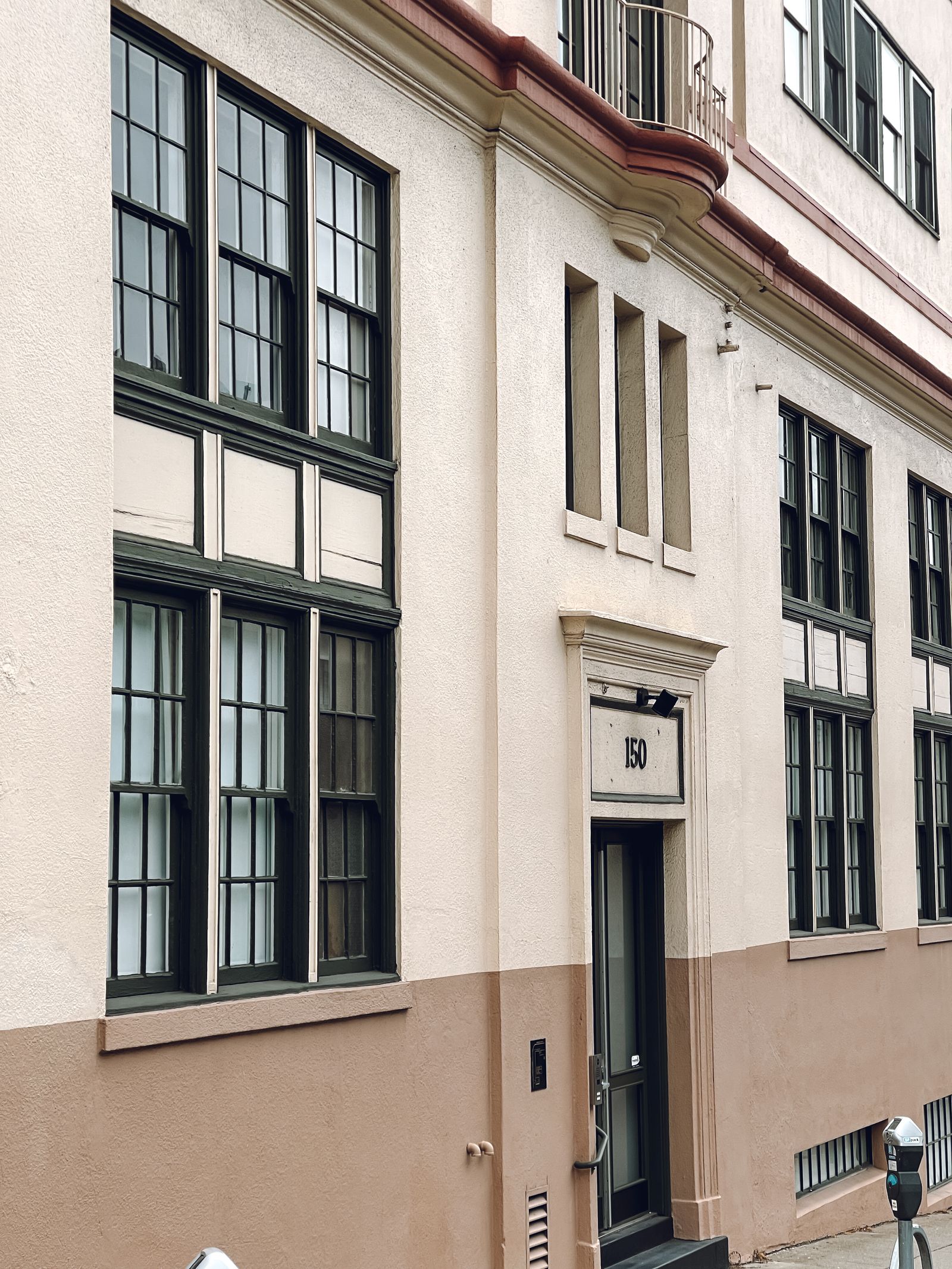
Soft washing uses a lower-pressure application and rinse strategy with a cleaning solution selected for the material and deposit. On a compatible stucco, masonry, concrete, painted panel, or similar facade, it may help address organic film, pollen, bird residue, and atmospheric soil while reducing the mechanical force directed at the surface. That can be useful where a broad upper wall needs an even appearance and the surrounding property includes glass, landscaping, guest routes, or occupied tenant space.
Soft washing is not a magic label. It does not make a fragile coating sound, turn salt scale into an organic deposit, remove every hard-water mark, or repair cracks and failed sealant. Solution selection, dwell, temperature, sun, wind, rinse volume, and protection still matter. A test area should show how the material responds and whether the expected finish is realistic. On a shaded wall near the waterfront, the same approach may behave differently than on a hot inland-facing wall near Goleta.
Where pressure can help and where it creates risk
Controlled pressure can be useful on durable concrete, certain paved areas, loading surfaces, and isolated deposits that need mechanical assistance after the substrate and drainage are understood. It may help with surface dirt on a hard horizontal area, but the pressure, tip, distance, flow, and operator control must fit the surface. Higher force is not automatically better cleaning; it can spread soil, drive water behind cladding, expose aggregate, damage paint, open a joint, or leave stripes.
Santa Barbara stucco, decorative masonry, tile, aged coatings, wood accents, storefront glazing, stone, and sealants can be damaged by an aggressive approach. Pressure can also turn a manageable facade project into a water-control problem when a hotel entry, sidewalk, landscaped bed, drain, or occupied tenant door is nearby. A proposal should explain why pressure is being considered, what surface can tolerate it, and what adjacent areas need protection. If the operator cannot state those boundaries, the method is not yet ready for a commercial site.
Compare the methods by Santa Barbara material and deposit
A coastal hotel may have salt film on glass and railings, organic discoloration on shaded stucco, tile at an entry, and hard-water marks near irrigation. Those conditions may require separate methods and may leave some specialty detail work outside a general facade wash. A State Street storefront may need low-impact work around glass, sidewalk dining, signage, and older masonry. A Goleta office or warehouse may have broad tilt-up panels, dock surfaces, exhaust residue, and truck traffic. A university or healthcare site may need a method that preserves access and protects air intakes while delivering a consistent public-facing finish.
The most useful comparison asks five questions: what is the substrate, what is the deposit, what finish is acceptable, what access is practical, and where will water go? If the answer changes by elevation, the scope should change by elevation too. A ground team may pressure-clean a durable loading surface, soft-wash an organic-stained wall, rinse a compatible upper panel with aerial assistance, and hand-detail the entrance. A single setting across the whole property is usually a sign that the building has not been assessed closely enough.
- Stucco and painted masonry: prioritize controlled chemistry, test areas, and low mechanical force.
- Concrete and durable hardscape: consider measured pressure only after flow and surrounding areas are planned.
- Glass, tile, stone, wood, and metal: identify finish, scale, oxidation, sealants, and specialty-detail needs.
- Roof edges and joints: investigate staining sources before treating the wall as a cleaning-only problem.
Include salt, humidity, heat, rain, and wind in the decision
Salt air and marine humidity can make recurring film more visible near the waterfront, while shade and vegetation can extend dampness on north-facing or protected elevations. Dry summer heat can accelerate drying and change dwell time on west-facing walls. Inland South Coast properties may see more dust, pollen, irrigation residue, and heat. Winter rain can mobilize roof-edge soil and alter traction and drainage. These conditions affect both methods, so a method comparison without a weather and building context is incomplete.
Wind matters particularly when work is near public routes, neighboring properties, air intakes, or upper elevations. It can move mist or dust beyond the planned area and can make drone-assisted work unsuitable. The crew should monitor actual conditions, use smaller work zones when needed, and stop when wind, heat, rain, visibility, occupancy, or runoff makes the plan uncontrolled. A schedule that promises the same production rate in every Santa Barbara season is less credible than one with clear weather limits.
Aerial assistance changes access, not the standard of care
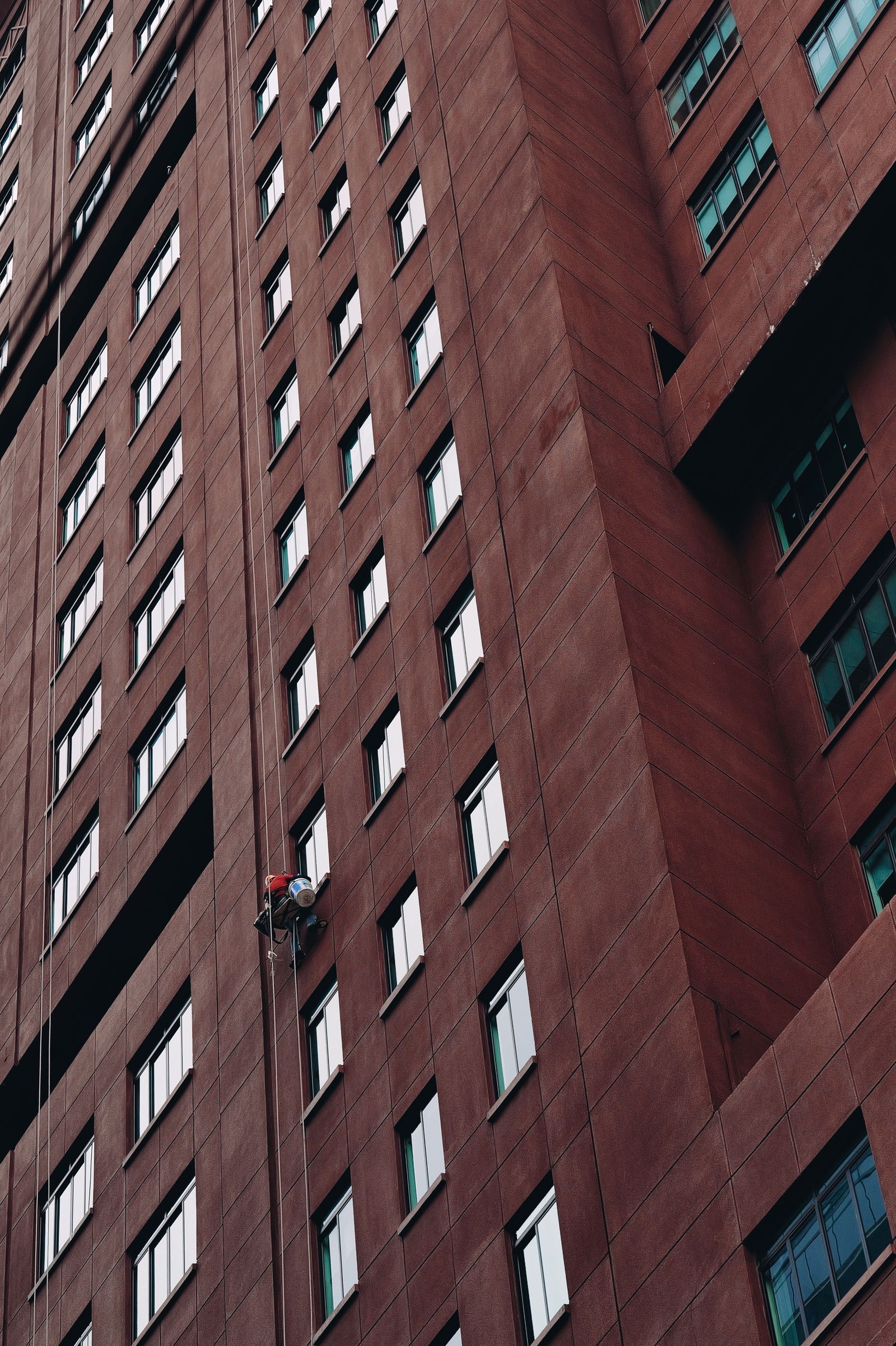
Drone-assisted application or rinsing may reduce some lift repositioning on a broad, accessible upper facade, but it does not turn every building into an aerial-cleaning project. Santa Barbara Municipal Airport considerations, controlled airspace, power lines, trees, cranes, highways, public sidewalks, rooftops, and neighboring occupants must be reviewed. Commercial small-UAS work must follow current FAA requirements. A property manager's permission alone does not resolve airspace or operations-near-people requirements.
Aerial support also has finish limits. It may help wet or rinse a broad compatible wall, while a ground team protects the site, watches runoff, manages people, and performs hand or pole detail work. It cannot squeegee a window, scrape bonded scale, repair a joint, test a coating at close range, or replace a lift when contact access is necessary. The equipment plan should follow the finish requirement, with a grounded fallback if wind or site activity changes.
Runoff and occupancy can outweigh the pressure question
A low-pressure method can still create runoff, and a pressure method can create more water movement, overspray, and displaced debris. The property should be mapped before either method is selected. Trace drains, downspouts, curb inlets, parking slopes, landscaping, pool areas, patient routes, guest entrances, tenant doors, and neighboring parcels. Confirm the water source, protection, recovery, and disposal assumptions. A visible inlet is not automatically an approved discharge point, and a landscaped bed is not an automatic disposal area.
For an occupied property, the method must also fit how people move. State Street pedestrians, hotel arrivals, healthcare transport, campus changes, retail customers, deliveries, and industrial shifts may require barriers, spotters, phased elevations, temporary access changes, or an alternate work window. The best quote treats the building as an operating business. It explains when an entrance closes, how it is handed back dry, what happens if a drain flows differently, and who can stop the work.
A practical Santa Barbara decision framework
Choose a controlled soft-wash approach when the deposit is compatible, the substrate and coating can tolerate the selected solution, and the goal is an even facade improvement with limited mechanical force. Consider measured pressure where a durable surface and a specific deposit justify it, with pressure limited to what the material and surrounding property can accept. Use specialty detail, hand work, pole work, or lift access where the finish requires contact. Use aerial assistance only where the site and aviation controls support it.
The quote should identify each elevation, surface, deposit, method, access route, protection plan, drainage control, weather limit, expected finish, and exclusion. It should distinguish washing from repairs, glass restoration, scale removal, oxidation treatment, paint work, and leak correction. Share Santa Barbara photos and operating constraints to get a method recommendation that is based on the building rather than a pressure number. Call +1 239-351-2897 or email contact@dronebuildingcleaners.com to request a quote.